


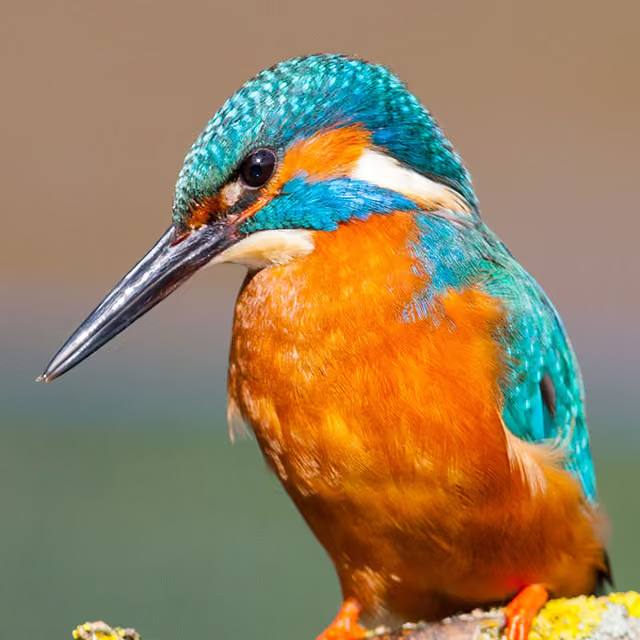
Kingfishers
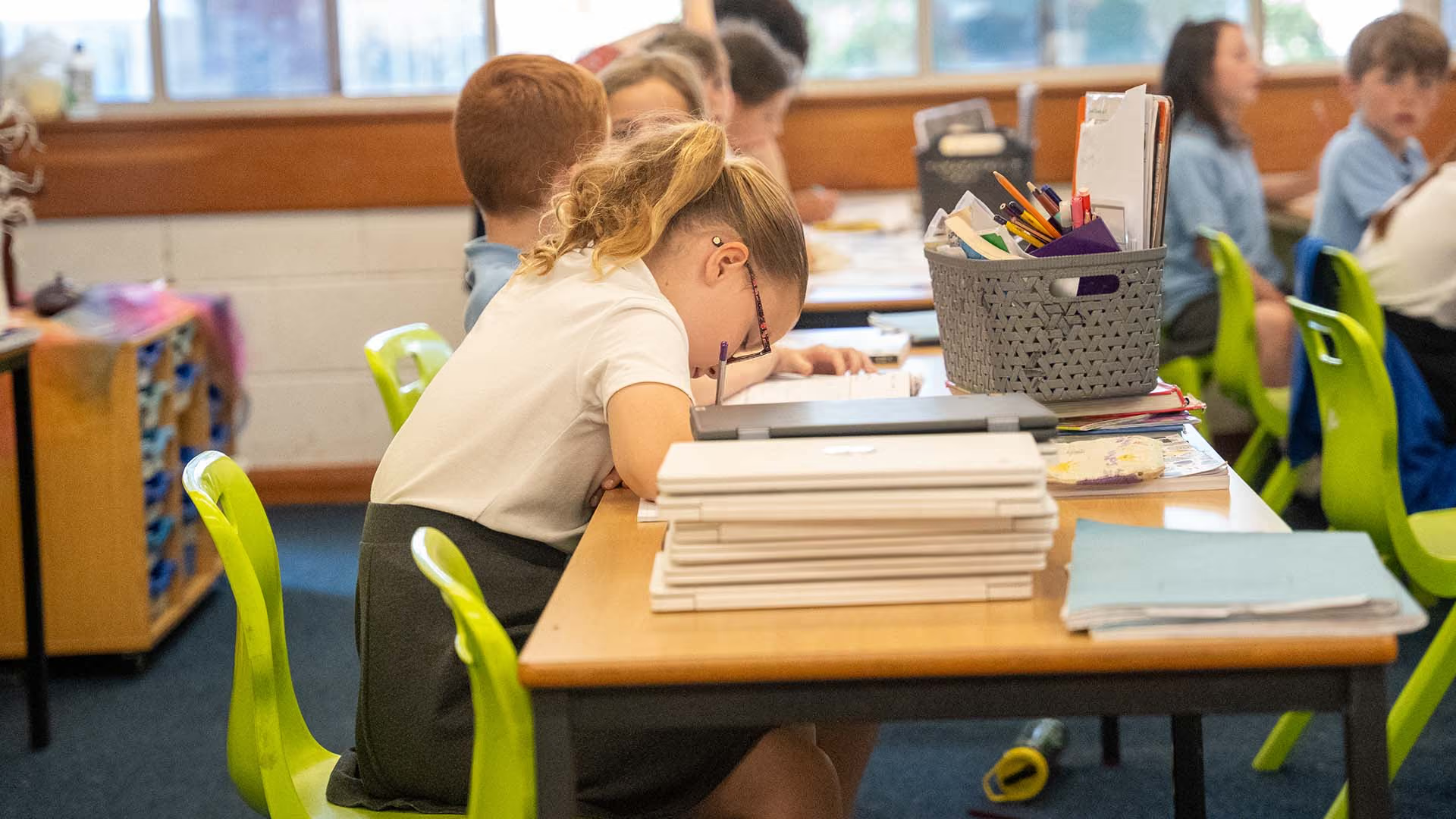
Welcome to Kingfishers Class! We are a class of Year 3 and Year 4 children and we love learning together – especially when it involves books and stories! Below is some information about the class, as well as what we are learning about each term. If you have any questions, then please let us know!
Class Teacher
Mrs Harvey
PPA Teacher
Mrs MacTaggart
Teaching Assistants
Mrs Adley and Mrs Hall
Class Teacher
Mrs Harvey
PPA Teacher
Mrs MacTaggart
Teaching Assistants
Mrs Adley and Mrs Hall
In our Year 3/4 class, we follow the National Curriculum for Key Stage 2, providing children with a broad and balanced range of learning experiences. We encourage children to become confident, independent and curious learners, with lots of opportunities to learn through practical activities, discussion, teamwork and being active.
A key focus in Year 3/4 is developing secure times table knowledge, with regular practice and fun activities to help children build speed and confidence in preparation for the Year 4 Multiplication Tables Check. We also place a strong emphasis on reading for pleasure, encouraging children to discover new authors, explore different genres and develop a love of books.
Class information
PE days
Wednesday and Thursday
Book of the term
The Firework Maker’s Daughter
PSHE focus
Me and My Relationships
Additional information
The children will bring home a reading book and record to aid their development. Please make sure their folder is brought to school every day.
What we're learning this term

Art
In art this term, we will be learning about different sketching techniques. We will use them in our final piece, drawing a portrait of our favourite authors.

Computing
We will have a weekly computing lesson on animation. We will be following a unit of work from Purple Mash. The children can access Purple Mash at home if they wish.
English
In English this term, The Wolves in the Walls by Neil Gaiman will inspire our own stories, then a report about another tiny creature living in walls. We are focusing on accuracy in spelling, handwriting and punctuation, with Read Write Inc phonics or spelling groups and spellings to practise.
Mathematics
Years 3 and 4 will be exploring multiplication and division this term, with Year 3 starting by subtracting with renaming and Year 4 starting with word problems. Children have a daily times tables lesson, and we ask them to spend 5–10 minutes daily on Times Tables Rock Stars and NumBots.

PE
This term, we will be focusing on social skills within our PE sessions using Real PE. This will include encouraging others, showing and telling others about our ideas, and organising roles and responsibilities.

PSHE
Every term, we will start with a PSHE unit. We will be following the SCARF scheme of work. Our first unit is called ‘Me and My Relationships’.

RE
In RE, children will continue to learn about Hinduism this term. We will be exploring the festival of Diwali through The Story of Diwali by Malachy Doyle.

Science
Our science focus this term will be ‘forces and magnets’. We will start by learning about what a force is. Throughout the unit, children will develop their scientific enquiry skills by making predictions, carrying out fair tests, recording results, using evidence to draw conclusions, and communicating their findings.
Times tables at Staverton
At Staverton, we recognise the importance of our children having a secure grasp of times table facts. In Key Stage 2, children are taught times tables every day.
We use the Wiltshire Times Tables Challenge to teach times tables. It is taught throughout Key Stage 2 and used as an additional intervention in Years 4 and 5. The scheme focuses on teaching children 45 core times table facts and 21 ‘red’ facts, which are the 11x and 12x table facts and are taught towards the end of Year 4 (see below). From Term 4 of Year 2, children learn the 2x, 5x and 10x tables.
Core facts are those times tables that are frequently used in formal written methods of multiplication and division. As these are more regularly applied in other areas of maths, they are the main focus of times table teaching. The 11x and 12x table facts (red facts) are taught last, as they are not used when completing written methods of multiplication and can be derived if needed.
By developing a solid knowledge of times table facts, children are able to solve mathematical problems in other areas such as division, formal written methods, fractions, decimals, percentages and ratio. The overlearning aspects of times tables also enable children with special educational needs to retain facts better and access the same learning as their peers.
At the end of Year 4, children sit the Multiplication Check. This is a national test undertaken in June. The test is computer based and consists of 25 multiplication questions. Children have 6 seconds to answer each question. There is currently no official pass mark for this test. As a school, we have taken the decision to set 25 as our pass mark. Those children not achieving this by the end of Year 4 will receive an intervention in Year 5.