

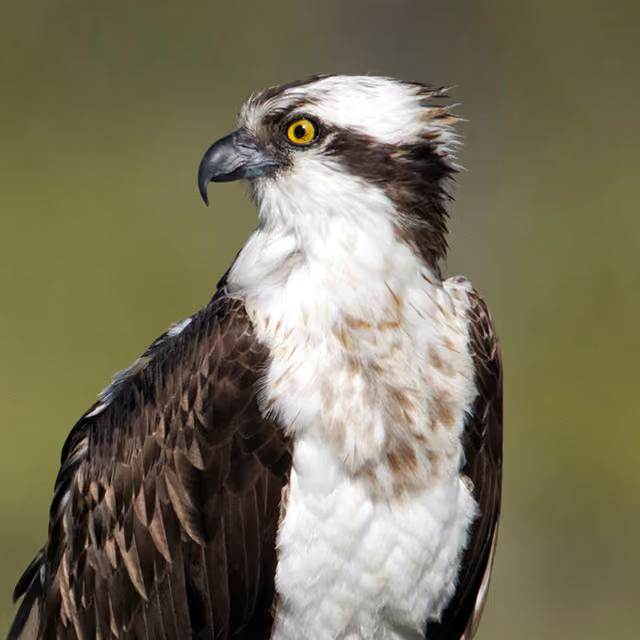
Ospreys
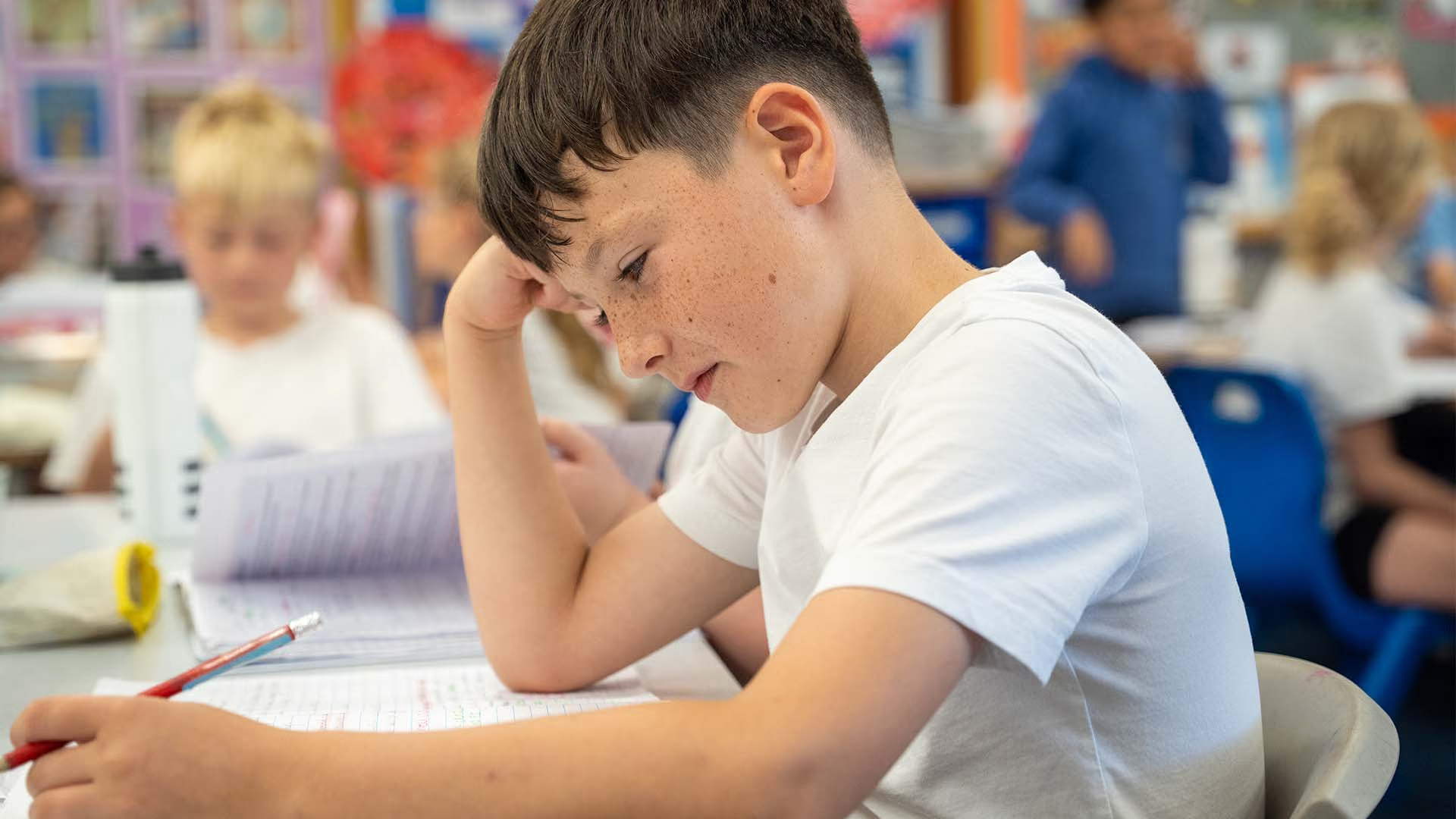
Welcome to Ospreys Class! We are a friendly, curious and hardworking Year 5/6 mixed class. Our classroom is a place where everyone is encouraged to learn, explore, have fun and be themselves.
Class Teacher
Mr Millichip
PPA Teacher
Mrs Hall
Teaching Assistants
Mrs Nevers
Class Teacher
Mr Millichip
PPA Teacher
Mrs Hall
Teaching Assistants
Mrs Nevers
Our learning in Eagles is guided by the Key Stage 2 National Curriculum. We aim to create a positive and supportive classroom where everyone feels confident to ask questions, take risks and have a go, even when learning feels challenging. We use lots of partner talk, work in different groups, role play and modelling to make learning collaborative and accessible, ensuring that all learners have the opportunity to thrive.
The majority of our learning takes place together as a mixed Year 5/6 class, giving children plenty of opportunities to learn with and from one another. For maths and spelling, we split into individual Year 5 and Year 6 groups. This allows us to focus closely on the specific curriculum expectations and progression for each year group, while tailoring teaching, practice and challenge to meet learners’ needs.
Our tasks are varied and engaging, with regular opportunities to revisit and retrieve previous learning, helping children to build confidence, make connections and develop a secure understanding. Above all, we encourage our learners to be curious, resilient and proud of their progress, knowing that mistakes are an important part of learning and growing.
Class information
PE days
Mondays and Tuesdays
Book of the term
The House with Chicken Legs
PSHE focus
Me and My Relationships
Additional information
Spelling test will be every Monday with new spellings sent home the same day
What we're learning this term

Computing
We will study two units: Networking, exploring what networks are, how they connect devices and how to use them safely; and Graphing, creating bar charts, pie charts and line graphs with software to present data and support an argument.
English
Our writing will be inspired by It Fell from the Sky by the Fan Brothers, as we work towards retelling the story. We will also complete different writing activities and continue weekly Read Write Inc spelling practice and tests.

French
This term, we will be learning the French vocabulary for a range of vegetables. We will practise recognising, saying and using the new words in simple sentences.

History
We will learn about Ancient Egypt, including famous pharaohs, Egyptian gods and important inventions. We will also explore the chronology of Ancient Egypt and how the civilisation declined.
Mathematics
We will begin with place value before moving on to addition, subtraction, multiplication and division. We will also practise times tables daily and complete weekly arithmetic activities or tests.

PE
We will develop personal skills through activities focusing on ball skills, reactions and responses. We will apply these skills through games, sports and healthy competition, alongside a weekly gymnastics session.

PSHE
We will learn about relationships, including collaboration and what makes a good friendship. We will also explore different emotions and how people respond to them.

RE
We will explore how following God can bring freedom and justice through stories about the People of God in Egypt. We will learn about Moses, the Exodus and the Ten Commandments.

Science
We will investigate light and electricity, including how light travels, shadows form and electrical circuits work. We will develop our scientific knowledge and skills before showcasing our learning at a science fair.
SATs at Staverton
At Staverton, we see SATs as one part of a child’s wider learning journey, not a judgement on their ability or potential.
Year 6 SATs take place in May and cover reading, maths and grammar, punctuation and spelling (SPaG), while writing is assessed by teachers across the year. Our approach is calm, purposeful and wellbeing-first, with preparation woven into everyday teaching rather than constant testing.
What we do day-to-day
SATs preparation is part of normal Year 6 learning, not a separate bolt-on. Children regularly meet SATs-style questions within lessons, so they become familiar with the different ways questions can be presented, and we make sure all the content that could be assessed is taught, revisited and practised.
Children also build familiarity with the format through past papers, and develop fluency, accuracy and confidence in weekly arithmetic sessions. Grammar is taught explicitly and revisited regularly, while reading stays central to the curriculum, building the vocabulary, inference and comprehension skills children need across a range of texts.
How parents can help at home
The most helpful support is simple and low-pressure. Completing homework, practising weekly spellings and taking part in revision activities when they are set all reinforce classroom learning. Regular reading is particularly valuable: talking about a book, asking what might happen next or discussing an unfamiliar word can be just as useful as answering questions.
There is no need for an intensive study timetable. Encouragement, routine and plenty of chances to talk about learning matter more than extra pressure.
What happens after SATs?
SATs results are shared with families and passed to secondary schools as part of the transition process. They give useful information about children’s attainment, but they are only one piece of the picture. Our priority remains helping every child grow in confidence and independence, and leave us ready for their next stage of learning.